 “Slang is like a breeze; it softly comes and goes, as new times bring new buzzwords. Some stick (‘cool’ defiantly endures); some induce cringes when dusted off (‘groovy’ is now in the dustbin of irony). It’s obvious when slang becomes less funny or less meaningful through overuse: ‘Internets,’ for example, has become too widespread to be implicitly derisive of George W. Bush. Slang, in other words, is inevitably ephemeral–but it’s not always incidental. When hip-hop listeners crack the codes of songs en masse, rappers know it’s time to invent anew. The refusal of normative, dominant culture–beginning with the fundamentals of language–is embedded in the form. Baseball vernacular, for its part, isn’t so expressly political, nor is its obscurity as deliberate. Baseball belongs to the same class of folklore as, say, jazz, hamburgers and even hip-hop–but to employ Ken Burnsian hyperbole about the significance of its wordplay is a tough sell. It is what it is. As [Paul Dickson, author of The Dickson Baseball Dictionary] writes, it’s ‘low-key and light’–slang for its own sake. In other words, the richness of baseball’s old, weird vernacular is pure, pointless creativity. . . .
“Baseball slang is an avalanche of skewed logic. The commonest words take on very precise meanings. ‘Stuff’ refers quite specifically to the totality of a pitcher’s arsenal: his array of pitches and the velocity and movement with which he throws them. A pitcher can easily have good stuff but not succeed if his ‘command’–the ability to locate pitches accurately–is erratic. Terms associated with dirt and filth are highly complimentary. A hitter respectfully calls an excellent pitcher ‘filthy,’ a term that evolved out of common adjectives from a decade ago: ‘nasty’ and ‘dirty.’ ‘Dirtbags’ and ‘dirt dogs’ are consummate hustlers, guys with perpetually soiled uniforms and caps and batting helmets stained with sweat, tobacco juice and pine tar. Naturally, dirtbags and dirt dogs play ‘dirtball.’ A player who is ‘pretty’ is the opposite of a dirtbag, as is a ‘muffin.’ Food references are as prevalent as the television announcers who longingly mention the hallowed postgame buffet in the players’ clubhouse. The ball itself can be an egg, apricot, apple or stitched potato. ‘Jelly beans’ are rookies and inexperienced kids, the type a veteran might relentlessly call bush for a year before acknowledging him properly. Reaching base for your team’s big hitters is ‘setting the table.’ ‘Fat’ pitches are hittable ones, almost exclusively delectable treats, my favorite being ‘ham-and-cheese.'” (more @ The Nation)

 “The three best visual illusions in the world were chosen at a gathering last weekend of neuroscientists and psychologists at the Naples Philharmonic Center for the Arts in Florida.
 “The items were sometimes delicate, often minimalist and always haunting: a monogrammed silver matchbox; a gold locket with a butterfly design; a letter-opener, its sturdy handle embellished with an eagle and a swastika. Up for auction here on Thursday, the relics fetched record prices and even spurred bidding wars, purely because of their history: They are believed to be among items owned by
 “In a 21st-century version of the age of discovery, teams of computer scientists, conservationists and scholars are fanning out across the globe in a race to digitize crumbling literary treasures.
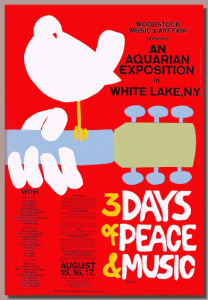 “MICHAEL Lang and Joel Rosenman were two of the producers of the original
  “But Mr. Lang, 64, and Mr. Rosenman, 66, who, with the family of another original partner, control Woodstock Ventures, which owns the trademarks, have so far failed to deliver a solid plan to commemorate their own historic achievement. Time, it would seem, has run out for pulling together the kind of anniversary blowouts the partners were behind in upstate New York in
  “What kind of a man eats his hamburger without ketchup?
  “The
“The  “TOMORROW, the seventh annual show of designs created in Brooklyn —
 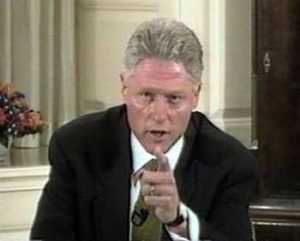 Andrew Sullivan on what we remember most about Bill Clinton and George W. Bush . . . and the consequences:
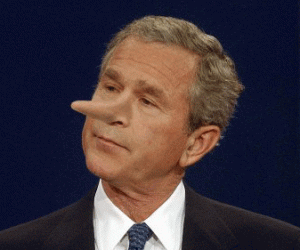 “It occurs to me that the two most famous statements of the last two presidents will be ‘I did not have sexual relations with that woman,’ and ‘We do not torture.’ And both were lies in plain English, were understood to be lies by the two men involved, and yet both were subject to mental and legal asterisks that could give both men some kind of formal, if absurd, deniability.
 “
“

 “Queen Elizabeth II was at home at Windsor Castle, the sentries who guard her were on duty, and the large park surrounding the magnificent building was full of tourists on a Sunday afternoon.
 The 'Not-So-Rough' Guide